


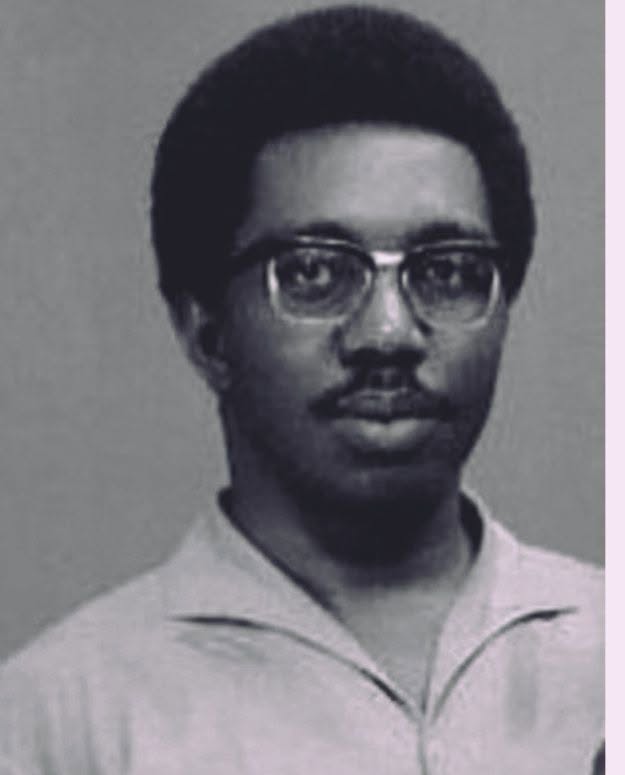
In 1966, he was arrested and detained following Nigeria’s first military coup.
A year later, he was released from prison and given a senior military command in the newly declared Republic of Biafra.
He led Biafran troops into Nigeria’s Mid-Western Region, captured Benin City and advanced towards Lagos.
But his military adventure ended in controversy. He was accused of plotting against the Biafran government, tried by a military tribunal and eventually executed by firing squad.
His name was Colonel Victor Banjo.
Who Was Victor Banjo?
Victor Adebukunola Banjo was a Nigerian Army officer born on April 1, 1930. He was a Yoruba officer from Ijebu-Ode, in present-day Ogun State.
He trained at the Royal Military Academy, Sandhurst, in the United Kingdom, and rose to become an officer in the Nigerian Army.
Following the January 15, 1966 military coup, Banjo was arrested and detained under the government of Major General Johnson Aguiyi-Ironsi. His detention continued through the July 1966 counter-coup and the emergence of General Yakubu Gowon.
However, Banjo was not one of the principal January 1966 coup plotters, and the circumstances surrounding his detention have remained a subject of debate.
How He Became A Biafran Commander
When Lieutenant Colonel Chukwuemeka Odumegwu Ojukwu declared the Republic of Biafra on May 30, 1967, Banjo was released from detention.
He subsequently joined the Biafran military and was given a senior command.
When the Nigerian Civil War began on July 6, 1967, Biafran forces launched an offensive into the Mid-Western Region under Banjo’s command. His troops captured Benin City in August 1967 and established control over much of the region.
A short-lived political entity called the Republic of Benin was subsequently proclaimed.
The military expedition continued towards the western part of Nigeria, with Lagos as an apparent strategic objective. However, the advance eventually stalled at Ore, in present-day Ondo State. Federal troops reorganised and launched a counter-offensive, forcing the Biafran forces to retreat.
The Disagreement That Ended His Life
Following the failed Mid-Western expedition, serious disagreements emerged between Banjo and the Biafran leadership.
Banjo was accused of deliberately refusing to advance towards Lagos and conspiring with other officers to overthrow Ojukwu’s government.
He was arrested alongside Major Emmanuel Ifeajuna, Major Phillip Alale and Samuel Agbam. The four men were tried by a Biafran military tribunal and found guilty.
However, the circumstances surrounding the alleged conspiracy remain controversial. Some historical accounts question the strength of the evidence against them and suggest that disagreements over military strategy and the future direction of Biafra contributed to their downfall.
His Final Days
In September 1967, Victor Banjo and his three co-accused were sentenced to death. They were subsequently executed by firing squad in Enugu.
Banjo was only 37 years old.
His death brought a tragic end to the career of an officer who had once served in the Nigerian Army, fought for Biafra and led one of the most significant military operations of the Nigerian Civil War.
More than five decades later, the circumstances surrounding his trial, his disagreements with Ojukwu and his execution remain subjects of historical debate.
He fought for Biafra, commanded its troops into Nigerian territory, but ultimately died at the hands of the government he had joined.
The story of Colonel Victor Banjo remains one of the most controversial episodes of the Nigerian Civil War.
Was he genuinely plotting to overthrow Ojukwu, or did disagreements over the direction of the war contribute to his downfall?