


…By Tochukwu Ifejika, Awka
The Nigerian Content Development and Monitoring Board (NCDMB) has challenged journalists in Anambra State to move beyond routine coverage of the oil and gas industry and focus on the business opportunities, compliance issues, and community benefits of local content.
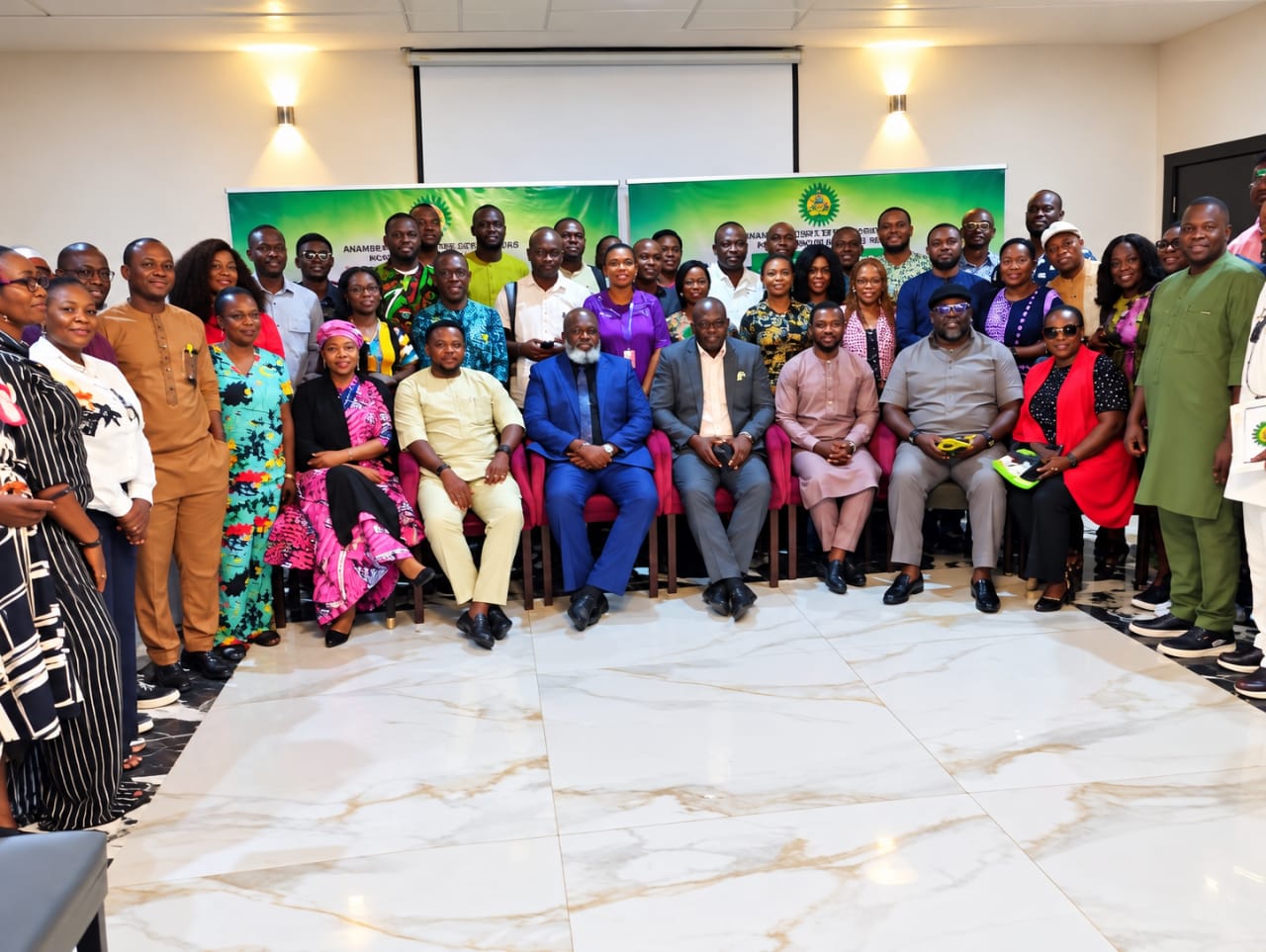
The charge was given on Thursday, October 15, at the first edition of the Nigerian Content Capacity Building Workshop for Media Stakeholders held in Awka.
The workshop was designed to deepen journalists’ understanding of the Nigerian Oil and Gas Industry Content Development (NOGICD) Act, 2010, and equip them to report more effectively on opportunities available to indigenous businesses, professionals and host communities.
Speaking at the event, the General Manager, Corporate Communications, NCDMB, Dr. Obinna Ezeobi, described the media as a critical partner in advancing Nigerian Content.
He noted that effective communication and stakeholder engagement have contributed significantly to the progress of the policy since the Board was established in 2010.
“The workshop is designed to deepen your understanding of the NCDMB’s mandate, programmes and achievements, while strengthening your ability to report technical issues affecting the sector,” Ezeobi said.
He explained that Nigerian Content policy is designed to strengthen indigenous businesses, develop the technical skills of Nigerian professionals, build local manufacturing capacity and ensure more economic value remains within the country.
Ezeobi said Anambra was deliberately chosen for the workshop because of its growing presence in the oil and gas industry, including an estimated initial production capacity of about 3,000 barrels of crude oil per day and the presence of major indigenous operators.
“I urge journalists to use their position to inform the public about available opportunities, expose issues requiring government intervention and hold industry operators accountable for meeting their local content obligations,” he said.
He stressed that journalists have a crucial role in examining whether promises associated with oil and gas development translate into opportunities for local businesses, jobs for qualified Nigerians and improved living conditions in host communities.
Ezeobi urged Anambra journalists to interrogate the relationship between the state’s huge gas reserves and its economic development.
“Why has the state not benefited more visibly from its gas resources? What practical steps are required to improve access? Which federal institutions and private-sector operators must be involved? What infrastructure and investment will be needed? And how can the public track progress?”
“These are the questions that can move the conversation from general expressions of concern to concrete policy commitments. By reporting with depth, accuracy and context, the media can help citizens understand the opportunities at stake,” he added.